

What Really Happens During a Dental Cleaning and Exam
You know you're supposed to go twice a year, but what actually happens once you're in the chair? Understanding what a routine cleaning and exam involves can make the appointment feel a lot less mysterious — and help you see why it's worth keeping on the calendar even when nothing feels wrong.

It Starts With a Review, Not Just a Cleaning
Before any polishing happens, your visit typically starts with a review of your dental and medical history, along with a discussion of anything that's changed since your last visit — new medications, sensitivity, or concerns you've noticed. This context helps guide what to look for during the exam itself.
The Exam Comes Before the Cleaning
A thorough visual exam is performed first, checking your teeth, gums, tongue, and the soft tissue of your mouth for any signs of decay, inflammation, or other concerns. This typically includes an oral cancer screening, a quick but important check of the soft tissues for anything unusual. Digital X-rays may also be taken periodically to catch issues that aren't visible to the naked eye, such as decay between teeth or below the gumline.
Removing Plaque and Tartar
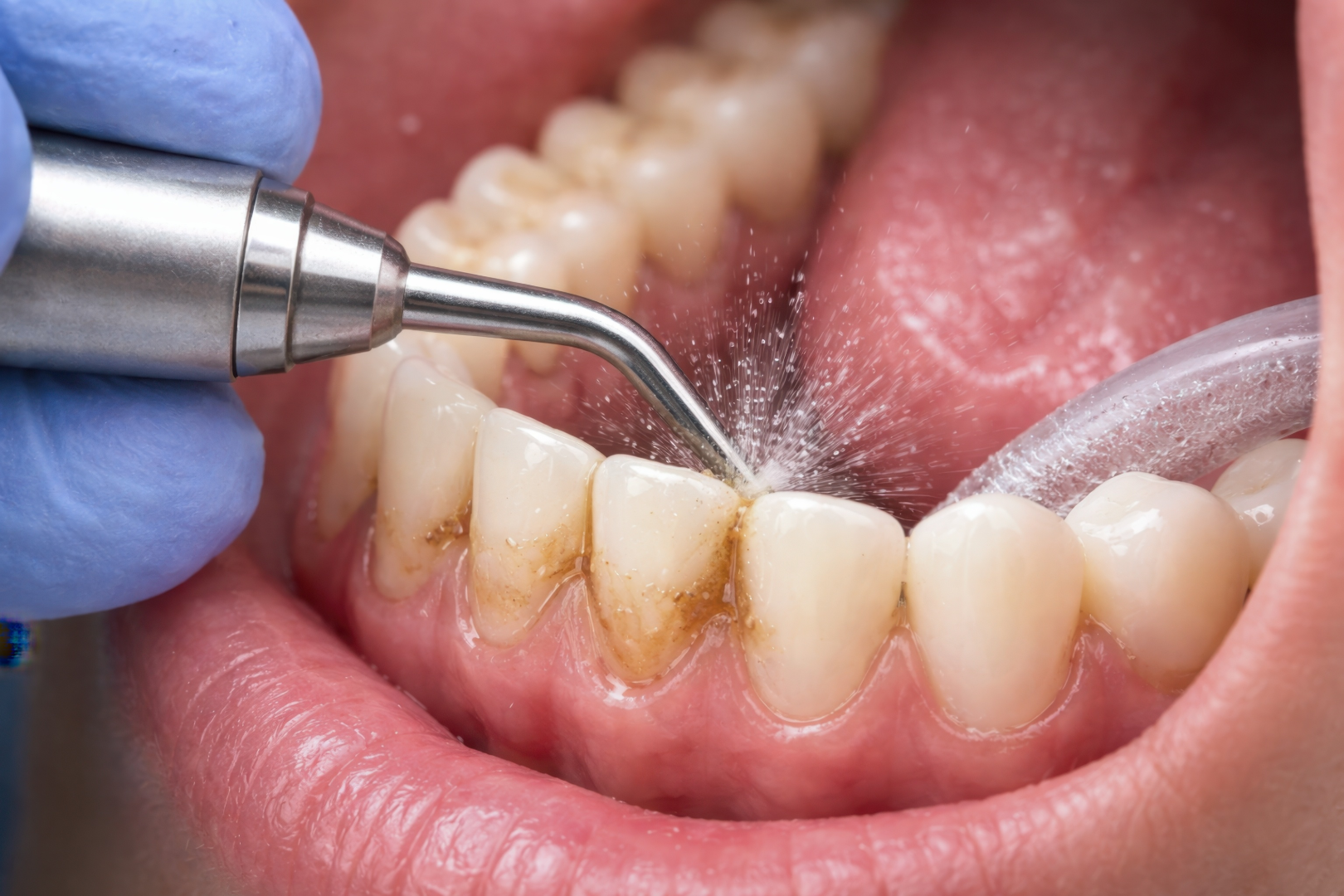
Once the exam is complete, the actual cleaning begins. Using specialized instruments, plaque and tartar (hardened plaque that brushing alone can't remove) are carefully scraped away from the surfaces of your teeth and along the gumline. This step is especially important in areas that are hard to reach with a toothbrush at home, where buildup tends to accumulate over time.
Polishing and Flossing
After the deeper cleaning, your teeth are polished using a gritty paste that smooths the enamel surface and removes surface stains, leaving your teeth feeling noticeably smoother and looking brighter. A thorough flossing typically follows, reaching between teeth to clear out any remaining debris and check for areas that might be prone to bleeding or sensitivity.
Checking Your Bite and Gum Health
Many exams also include a check of your bite alignment and a periodic evaluation of gum health, including measuring the depth of the small pockets between your teeth and gums. Deeper pockets can be an early sign of gum disease, so tracking these measurements over time helps catch problems before they progress.
Personalized Recommendations
Before you head out, you'll typically get personalized feedback — anything from a note about a spot you might be missing when brushing, to a recommendation for a night guard if signs of teeth grinding are noticed, to next steps if a cavity or other concern was found. This is also a good time to ask questions about anything you've been noticing at home.
Why Skipping Isn't Worth the Risk
It's easy to put off a cleaning when nothing hurts, but many of the issues caught at these visits — early decay, gum disease, and even signs of oral cancer — don't come with obvious symptoms in their earliest stages. Regular visits give your dentist the chance to catch small problems while they're still simple and inexpensive to treat, rather than after they've become bigger issues.
Financing Your Care
We accept 12+ major insurance plans, and preventive visits like cleanings and exams are frequently covered in full. Visit our Insurance & Financing page to learn more about your coverage.
Welcome to a better dental visit.
We’d love to show you what thoughtful, personalized dentistry feels like.
.webp)