

Oral Cancer Screenings: What to Expect and Why They Matter
An oral cancer screening is one of the quickest, most painless parts of your dental visit — and one of the most important. Because early-stage oral cancer often has no obvious symptoms, a routine screening can catch warning signs long before you'd ever notice something was wrong on your own.

What Is an Oral Cancer Screening?
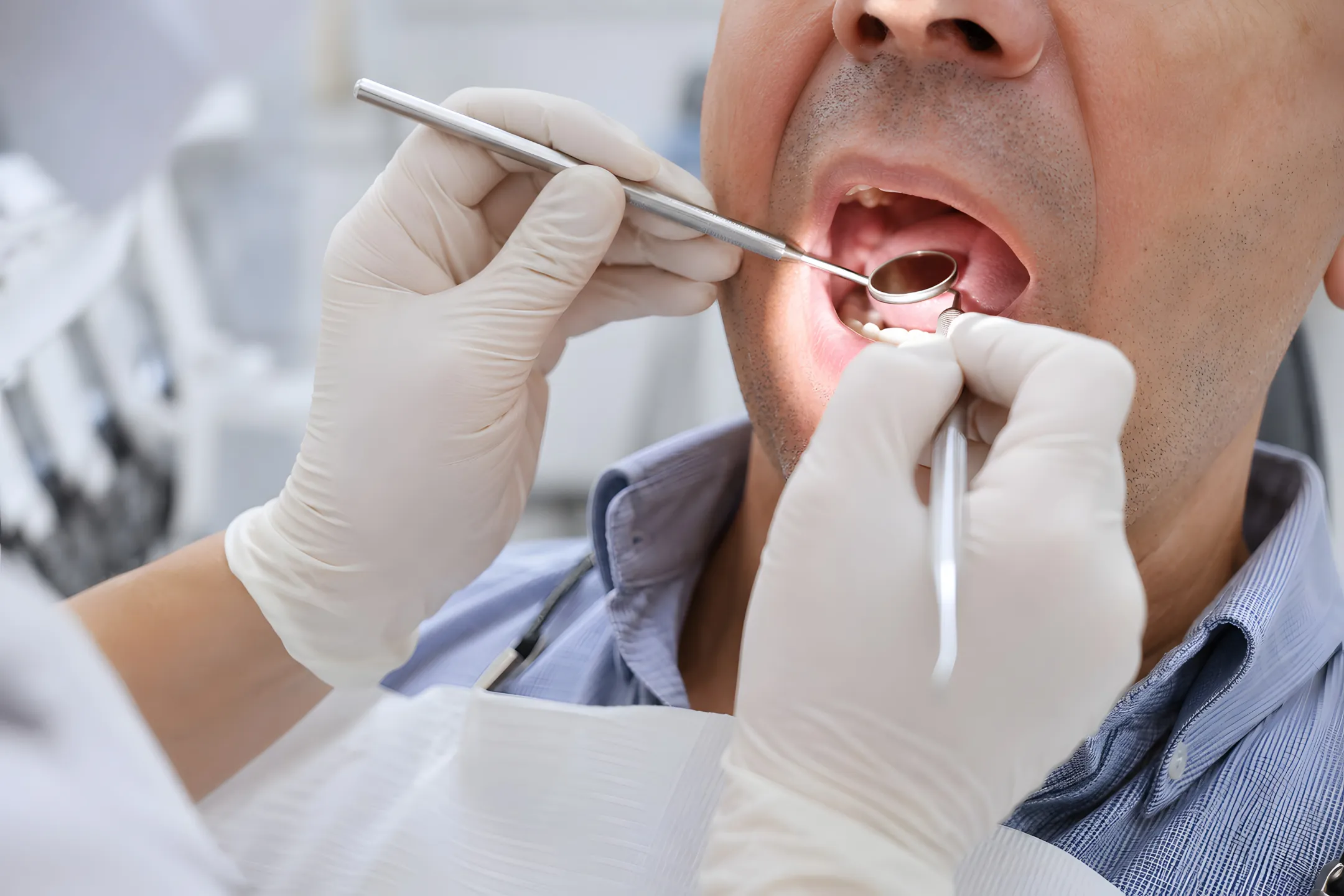
An oral cancer screening is a visual and physical exam of your mouth, lips, tongue, cheeks, and throat, designed to catch early signs of abnormal tissue changes. It's typically included as part of your regular dental checkup, so most patients are being screened consistently without needing to schedule anything extra.
Why Early Detection Matters
Like most cancers, oral cancer is far easier to treat successfully when it's caught early. Because the mouth is easy to examine visually and many oral cancers begin as small, subtle changes in the soft tissue, screenings offer a real opportunity to catch something early — often before a patient has noticed any symptoms themselves.
What Happens During the Screening
During your exam, Dr. Shah will visually check your lips, cheeks, gums, tongue, the roof and floor of your mouth, and the back of your throat for any unusual sores, discoloration, or texture changes. She'll also gently feel the tissue in and around your mouth and jaw, checking for any lumps or areas of firmness that feel different from the surrounding tissue. The entire process typically takes just a couple of minutes and requires no special preparation.
Common Risk Factors
Certain habits and exposures are associated with a higher risk of oral cancer, including:
- Tobacco use, including smoking and smokeless tobacco
- Heavy alcohol consumption
- Prolonged, unprotected sun exposure to the lips
- HPV (human papillomavirus) exposure
That said, oral cancer can occur in patients without any of these risk factors, which is exactly why regular screenings matter for everyone — not just those in a higher-risk category.
Signs to Watch for Between Visits
While your dentist will screen you at each visit, it's worth knowing what to keep an eye on at home between appointments:
- A sore or ulcer that doesn't heal within a couple of weeks
- Red or white patches inside the mouth
- A lump or thickened area of tissue
- Persistent difficulty chewing, swallowing, or moving your jaw or tongue
If you notice any of these, don't wait for your next scheduled cleaning — reach out and get it checked.
How Often Should You Be Screened?
Because screenings are built into your standard cleanings and exams, keeping up with your regular six-month visits is typically all it takes to stay on top of this. Consistent visits also give Dr. Shah a baseline for your oral tissue, making it easier to notice even subtle changes over time.
Schedule Your Next Checkup
If it's been a while since your last cleaning and exam, there's no better time to get back on track. Contact us today to schedule your next visit, or learn more about our Insurance & Financing options.
Welcome to a better dental visit.
We’d love to show you what thoughtful, personalized dentistry feels like.
.webp)