

Dental Bridges in Freehold, NJ
We accept 12+ major insurance plans and offer evening appointments on Monday and Thursday until 7:00 PM, which makes it easier to fit your care into a busy schedule. Your dentist walks you through every option as part of our restorative and prosthodontic dentistry services so you can make a confident decision.
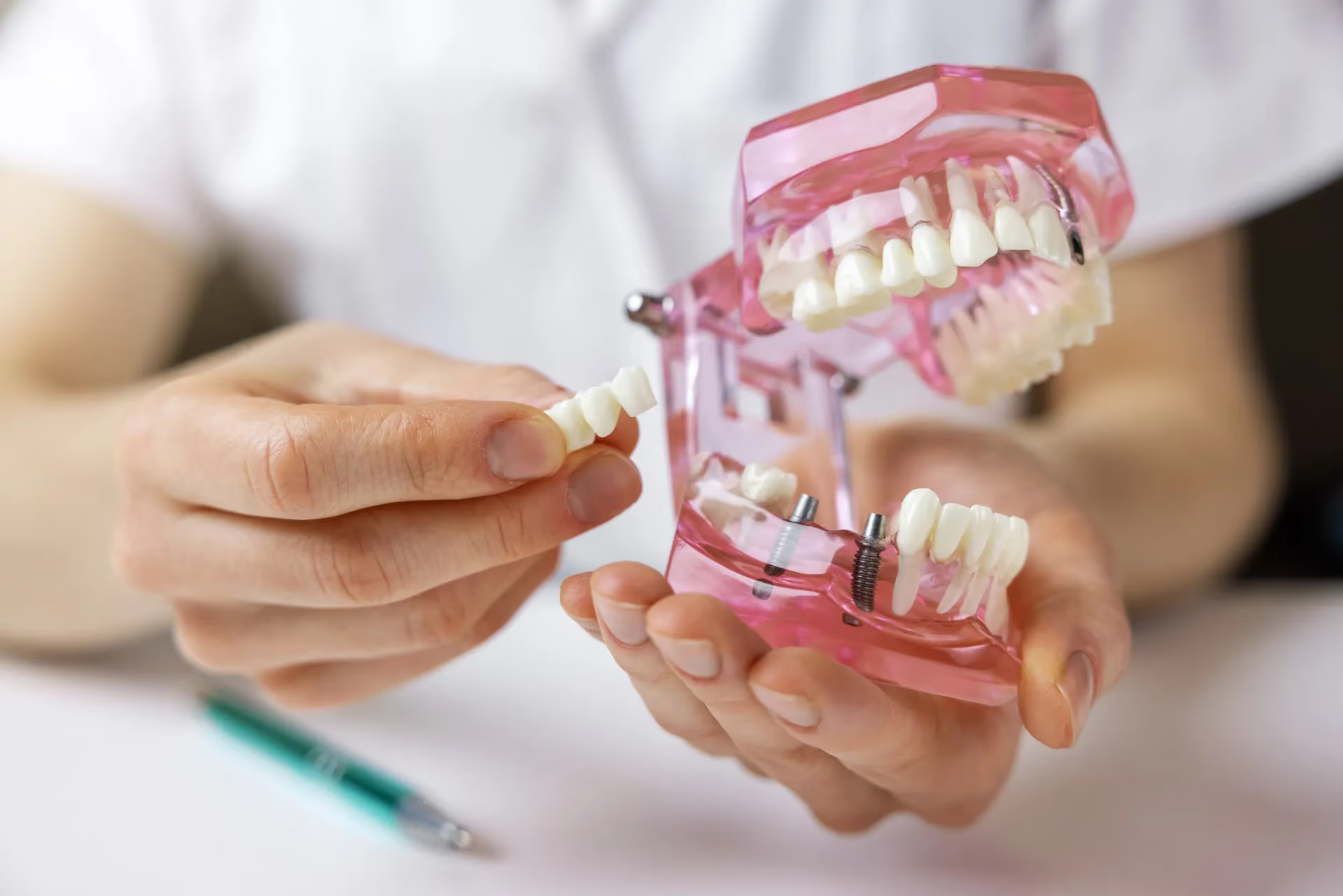


What Is a Dental Bridge, and Is It Right for Replacing Missing Teeth?
A dental bridge is a fixed restoration that replaces one or more missing teeth by anchoring replacement teeth, called pontics, to the natural teeth or dental implants on either side of the gap. It is a reliable option for patients who want a fixed, non-removable restoration without the surgical component of an implant. At Premier Arts Dental, Dr. Prachi Shah and our team use iTero digital impressions, with no messy putty molds, to design bridges that fit precisely and look natural.
Why Should I Replace a Missing Tooth?
A missing tooth affects more than your appearance. Over time, the gap may cause neighboring teeth to shift, alter your bite, and lead to jawbone loss. Replacing the tooth helps preserve your oral health and prevents these complications from developing. Our guide to when a dentist recommends a bridge explains how these decisions are made.
What Are the Benefits of a Dental Bridge?
- Restored chewing function: Eat the foods you enjoy without discomfort or difficulty.
- Preserved alignment: A bridge helps prevent surrounding teeth from drifting into the open space.
- Natural appearance: Custom-shaded porcelain is matched to your existing teeth for a seamless look.
- Protected oral health: Closing the gap reduces your risk of gum disease and further tooth loss.
What Types of Dental Bridges Are Available?
Traditional Dental Bridges
Traditional bridges are the most common type. One or more artificial teeth are held in place by dental crowns cemented onto the healthy teeth on each side of the gap. This approach works well when you have strong natural teeth next to the missing tooth space.
Implant-Supported Bridges
For patients missing multiple consecutive teeth, an implant-supported bridge may offer a more durable, long-term solution. Instead of relying on neighboring teeth for support, this type of bridge is anchored to dental implants placed directly in the jawbone. Implant-supported bridges help preserve bone density and do not require altering adjacent natural teeth.
Maryland (Resin-Bonded) Bridges
A Maryland bridge uses a metal or porcelain framework bonded to the back of the teeth next to the gap. Because it requires minimal preparation of the supporting teeth, it may be a good option for replacing a front tooth, where biting forces are lighter. Your dentist determines whether a Maryland bridge is appropriate based on the location and condition of your teeth.
How Is a Dental Bridge Different From a Crown, Implant, or Partial Denture?
- Crown: A dental crown is a single cap placed over a damaged or weakened tooth that is still present. A bridge replaces a tooth that is missing entirely, and it spans the gap using crowns on the adjacent teeth as anchors. In other words, crowns are a component of most bridges, but a standalone crown is used when the tooth is still there.
- Implant: If you are replacing a single missing tooth, your dentist evaluates whether a bridge, an implant, or another restoration is the most appropriate path based on your oral health, bone structure, and personal goals.
- Removable options: Dentures and partials replace teeth with a removable appliance, while a bridge is fixed in place.
What Is the Dental Bridge Procedure Like?
Most patients find that getting a bridge involves minimal discomfort, and the result is a complete, functional smile. Here is what to expect:
- Consultation and digital impressions. Your dentist examines the gap, assesses the health of the surrounding teeth and gums, and takes digital impressions with our iTero scanner. These accurate 3D scans replace traditional putty molds and help ensure a precise, comfortable fit from the start. You can learn more about the tools we use on our Technology page.
- Preparation and temporary bridge. At the preparation visit, the anchor teeth are gently reshaped to accommodate the supporting crowns. A temporary bridge protects these teeth while your custom bridge is fabricated.
- Fitting and cementing. When your permanent bridge is ready, your dentist checks the fit, bite, and color match before cementing it securely in place.
- Follow-up and adjustments. You may need a brief follow-up visit to confirm everything feels comfortable. Minor bite adjustments are common and quick to address, and regular checkups allow us to monitor the bridge and supporting teeth over time.
How Do I Care for a Dental Bridge?
Care for your bridge the same way you care for your natural teeth. Brush twice daily, and floss around and beneath the bridge using a floss threader or an interdental brush. Regular professional cleanings and exams help keep the supporting teeth and gums healthy.
How Much Do Dental Bridges Cost, and Does Insurance Cover Them?
Many dental insurance plans cover a portion of the cost of a dental bridge, and the exact amount depends on your plan and the type of bridge you need. Our team reviews your benefits and explains your estimated out-of-pocket cost before treatment begins. We also offer financing through CareCredit, Cherry, and HFD, as well as in-house payment plans. Visit our Insurance & Financing page for details.
Why Choose Premier Arts Dental for a Dental Bridge?
- Digital precision: iTero impressions help your bridge fit accurately and comfortably.
- More than one option: We offer traditional, implant-supported, and Maryland bridges, so your treatment is matched to your teeth.
- Clear explanations: We take the time to explain every step before treatment begins.
- Flexible scheduling: Evening appointments are available Monday and Thursday until 7:00 PM.
Frequently Asked Questions About Dental Bridges
How long does a dental bridge last?
With proper care, a dental bridge may last 10 to 15 years or longer. Regular dental checkups, consistent brushing and flossing, and avoiding habits like chewing ice all help extend the life of your bridge. If you are comparing options, see how long dental implants last.
Does insurance cover dental bridges?
Many dental insurance plans cover a portion of dental bridge costs. We accept 12+ major plans and offer flexible financing through CareCredit, Cherry, HFD, and in-house payment plans.
Is a dental bridge better than a dental implant?
It depends on your situation. A bridge is a fixed restoration that does not require implant surgery, while an implant stands on its own without relying on neighboring teeth and helps preserve jawbone density. Your dentist evaluates your bone structure, the health of the surrounding teeth, and your goals to recommend the better fit.
Can a dental bridge be replaced with an implant later?
In many cases, yes. A bridge can be an effective restoration while you plan for a future implant, and your dentist can evaluate your bone density and overall oral health to determine whether moving to an implant-supported restoration is a good option for you.
What happens if I do not replace a missing tooth?
Leaving a gap untreated may cause surrounding teeth to shift out of alignment, lead to bone loss in the jaw, and create bite problems over time.
Can I eat normally with a dental bridge?
Yes. Restoring your chewing function is one of the main benefits of a bridge. Your dentist may suggest being careful with very hard or sticky foods to help protect the bridge and the teeth that support it.
Premier Arts Dental offers a full range of dental services freehold nj patients need, including general and preventive care, cosmetic treatments, restorative and prosthodontic dentistry, endodontic care such as root canals, and orthodontic options including Invisalign. Dr. Prachi Shah provides comprehensive care for patients of all ages under one roof.
Schedule Your Dental Bridge Consultation in Freehold
If you are missing one or more teeth, we are here to help you restore your smile with precision and personalized care, and with a team that takes the time to explain every step. Call us at (732) 702-2787 or contact us online to find out whether a bridge is right for you.