

Single Tooth Replacement: Comparing Your Options for One Missing Tooth
Losing a single tooth might seem like a smaller problem than losing several, but it still deserves prompt attention. A gap left untreated can affect your bite, shift neighboring teeth out of position, and even change the shape of your jawbone over time. The good news is that replacing one tooth comes with a few reliable options to choose from.

Why Replacing Even One Tooth Matters
When a tooth is missing, the teeth on either side can gradually drift into the empty space, and the tooth in the opposite jaw may start to shift as well, since it no longer has anything to bite against. The jawbone beneath the gap can also begin to lose density without the stimulation a tooth root normally provides. Replacing the tooth promptly helps prevent this domino effect.
Option 1: A Single Dental Implant
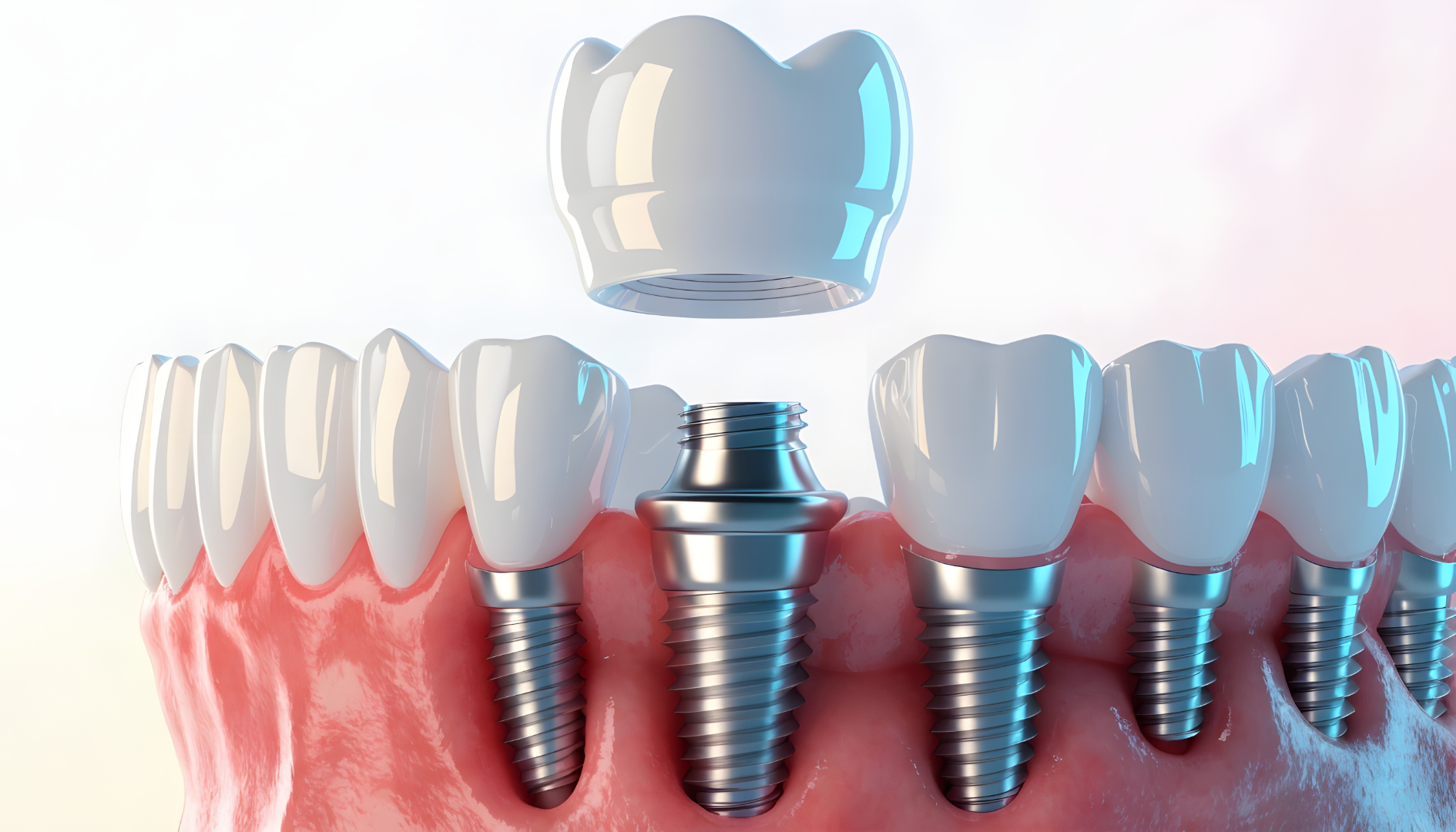
For most patients, a single tooth replacement with a dental implant is considered the gold standard. A titanium post is placed directly into the jawbone, where it functions as an artificial root, and a custom crown is attached on top to complete the restoration. Because the implant integrates with the bone, it helps preserve jaw density in a way that other replacement options can't, and it doesn't rely on neighboring teeth for support.
Option 2: A Dental Bridge
A dental bridge replaces a missing tooth by anchoring a false tooth to the natural teeth on either side of the gap. Bridges don't require surgery and can typically be completed in fewer visits than an implant, making them a good option for patients who aren't candidates for implant placement or who want a faster path to a finished result. The trade-off is that the supporting teeth need to be prepared to hold the bridge in place, and they take on extra chewing load over time.
Option 3: A Removable Partial or Flipper
For a more temporary or budget-conscious solution, a flipper is a lightweight, removable appliance that fills the gap while a more permanent plan is finalized. It won't offer the same stability or longevity as an implant or bridge, but it can be a useful interim option, especially if a missing front tooth needs to be addressed quickly for appearance's sake while treatment is planned.
How to Decide Which Option Is Right for You
A few factors typically guide the decision:
- The health of the jawbone in the area of the missing tooth
- The condition of the neighboring teeth, and whether they could support a bridge
- How much time you're able to commit to treatment
- Your budget and insurance coverage
An evaluation with X-rays or 3D imaging can determine whether your jawbone has enough density to support an implant, which is often the deciding factor between an implant and a bridge.
Getting a Professional Recommendation
Because each option comes with different trade-offs in cost, timeline, and long-term outcome, it's worth getting an honest, personalized recommendation rather than assuming one option is automatically right. An evaluation will look at your specific anatomy, oral health, and goals before recommending a path forward.
Financing Your Treatment
We accept 12+ major insurance plans and offer CareCredit, Cherry financing, and in-house payment plans to help make treatment accessible. Visit our Insurance & Financing page to learn more.
Welcome to a better dental visit.
We’d love to show you what thoughtful, personalized dentistry feels like.
.webp)