

If you're weighing Invisalign against traditional braces, the short answer is this: both can straighten crowded or gapped teeth effectively, but they differ in daily visibility, upkeep, and how closely treatment depends on patient discipline. Invisalign tends to fit adults and responsible teens who want a discreet option and are consistent about wear time, while traditional braces can be the more predictable choice for complex bite corrections or younger patients who may lose or forget removable aligners.

How Invisalign and Braces Actually Work
Traditional braces use metal or ceramic brackets bonded to each tooth, connected by a wire that your orthodontic provider tightens at periodic visits. That gradual tension moves teeth into position over time, and because the brackets are fixed, there's no daily reliance on the patient to keep them in.
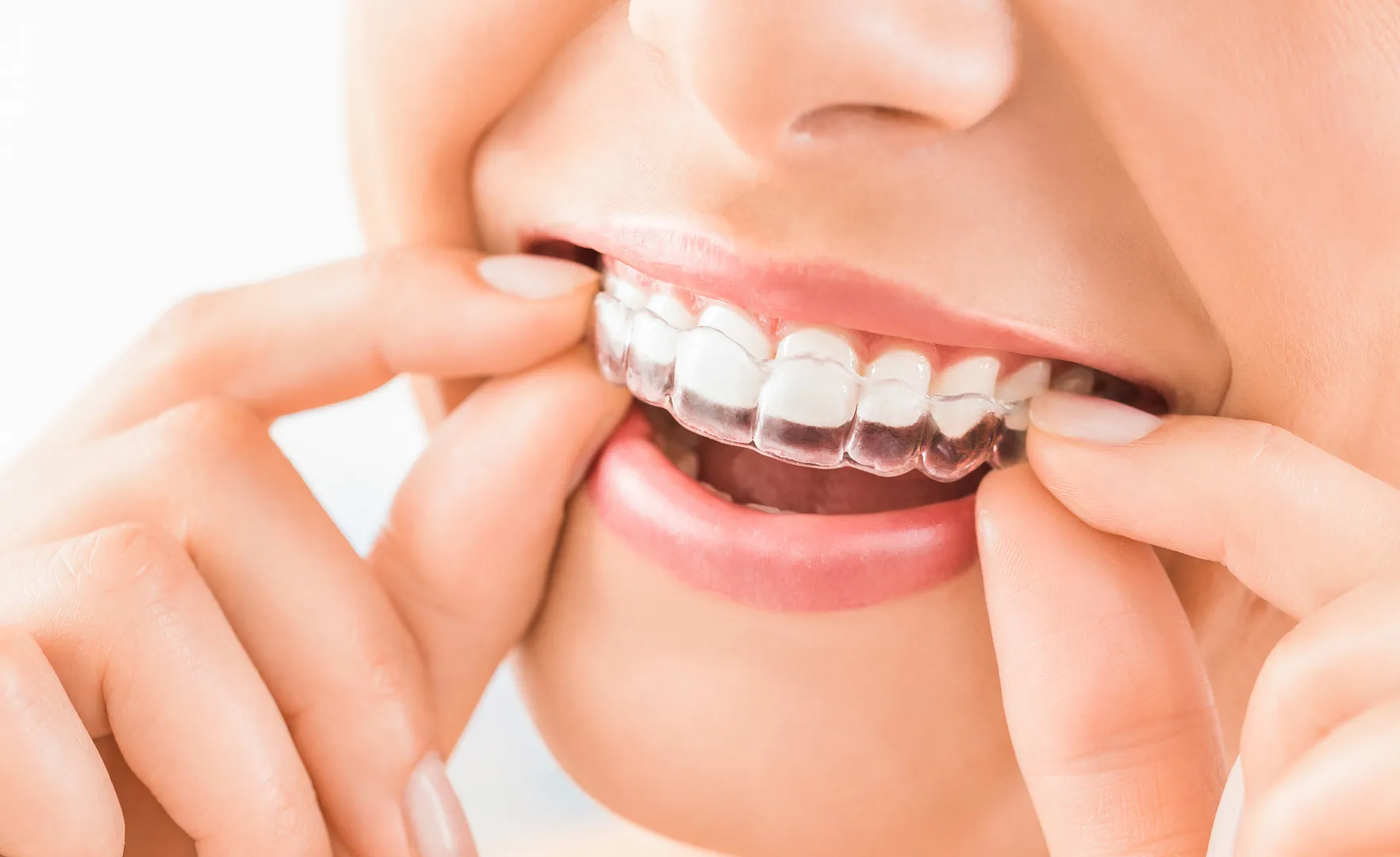
Invisalign takes a different approach. Dr. Prachi Shah uses an iTero digital scanner to capture a precise 3D model of your teeth, which is used to design a series of custom clear aligners. Each set is worn for one to two weeks before you move to the next in the series, gradually shifting your teeth according to the planned sequence. Because the aligners are removable, you take them out to eat and brush, then put them back in for 20 to 22 hours a day.
Comfort and Daily Life
Metal brackets and wires can occasionally irritate the inside of the cheeks and lips, especially in the first week or two after an adjustment. Aligners are made of smooth plastic, so most patients find them more comfortable day to day, though you may feel pressure or tightness for a day or so after switching to a new set.
Braces also come with some diet restrictions. Sticky, hard, or very chewy foods can damage brackets or wires, so popcorn, hard candy, and some fibrous fruits are often off-limits for the duration of treatment. Invisalign sidesteps this entirely, since you remove the aligners before eating and can enjoy whatever you'd like.
On the flip side, Invisalign places more responsibility on the patient. Aligners left out for too long each day can slow progress or shift teeth off the planned path, and they're easy to lose if you're not in the habit of storing them properly when they're out.
Clear Braces, Metal Braces, and Other Options in Between
Not every traditional braces option looks the same. Metal braces remain the most common and often the most budget-friendly choice. Aesthetic or clear braces use tooth-colored or ceramic brackets that blend in more with the natural tooth, which some patients prefer for visibility reasons even though they still function like standard braces. Self-ligating braces use a different bracket mechanism that may reduce the number of adjustment visits needed over the course of treatment, though they still involve fixed brackets and wires like other braces systems.
If discreetness is your main concern but you're not sure Invisalign is realistic for your schedule or habits, clear or self-ligating braces can be a middle ground worth discussing as part of a broader look at orthodontic treatment options at your consultation.
Treatment Timeline: What to Expect
Both Invisalign and traditional braces typically range from about 6 to 18 months, though the exact timeline depends on how much movement your teeth need. Mild crowding or spacing issues tend to resolve faster, while bite corrections or more significant crowding can take longer regardless of which option you choose.
Invisalign treatment also depends heavily on consistent wear. Patients who stick closely to the recommended 20 to 22 hours a day tend to stay on the original timeline, while inconsistent wear can extend treatment or require additional aligners to correct drift.
Cost Factors to Ask About
Rather than a single fixed price, the total cost of either option depends on a handful of factors: the complexity of your case, the length of treatment, whether any preliminary work like extractions is needed, and what your dental insurance plan covers. Many plans with orthodontic benefits apply a portion of coverage to either Invisalign or braces, so it's worth confirming your specific benefits before you commit to a path.
During your consultation, Dr. Shah reviews your bite, crowding, and goals, then provides a cost estimate specific to your treatment plan rather than a generic number. Premier Arts Dental also offers CareCredit, Cherry, and in-house payment plans for patients who want to spread out the cost over time, outlined in more detail on our Insurance & Financing page.
Who Tends to Prefer Which Option
Adults returning to orthodontic treatment after years of putting it off often gravitate toward Invisalign because it's less noticeable in professional settings and doesn't interfere with eating out or speaking during meetings. Teens who are naturally more responsible about routines, or whose cases involve mostly cosmetic crowding rather than significant bite issues, can also do well with Invisalign.
Younger teens, patients with more complex bite corrections, or anyone who knows they'd struggle to keep up with 20-plus hours of daily aligner wear may find traditional braces, including clear or self-ligating options, a more realistic fit. There's no universally "better" choice. The right answer depends on your bite, your lifestyle, and how closely you can follow the day-to-day requirements of each system.
Getting Started at Premier Arts Dental
If you're in Freehold or the surrounding Monmouth County area and ready to stop weighing this decision in the abstract, the most useful next step is a consultation rather than more research. Dr. Shah can look at your actual bite and crowding, not a generic description of your symptoms, and tell you which systems are realistic options for your specific case. Evening appointments on Monday and Thursday until 7 PM make it easier to fit an initial exam around work or school without taking time off in the middle of the day.
Bring your questions about cost, timeline, and lifestyle fit to that visit. A good consultation should leave you with a clear sense of what treatment would involve week to week, not just a price and a start date.
Frequently Asked Questions
Can I switch from braces to Invisalign partway through treatment, or vice versa?
In some cases, yes, though it depends on how much movement has already happened and what your bite needs at that point. This is a conversation to have directly with your provider rather than something to decide on your own partway through treatment.
Does insurance cover Invisalign the same way it covers braces?
Many dental plans with orthodontic benefits apply coverage to either option, but the exact amount varies by plan. Our team reviews your specific benefits during your consultation so you know what to expect before treatment starts.
Will I still need a retainer after Invisalign?
Yes. Both Invisalign and traditional braces require a retainer afterward to help hold teeth in their new position, since teeth can gradually shift back without one.
What happens if I lose an Invisalign aligner?
Contact our office as soon as possible. Depending on where you are in your treatment, Dr. Shah may have you move to the next set in the series or have a replacement made so your timeline doesn't fall too far behind.
Is Invisalign a good option for teens, or is it mainly for adults?
Invisalign for Teens includes features like compliance indicators and replacement aligners, which can help parents and Dr. Shah monitor wear time. It's a reasonable option for responsible teens, though younger or less consistent wearers may do better with traditional braces.
Finding the Right Fit for Your Smile
Choosing between Invisalign and braces isn't about which one is objectively better. It's about which system matches your bite, your habits, and how you want treatment to fit into your daily life. Dr. Prachi Shah and the team at Premier Arts Dental walk through your options during a consultation, using digital scans to show you a clearer picture of what treatment would actually involve before you decide anything.
Welcome to a better dental visit.
We’d love to show you what thoughtful, personalized dentistry feels like.
.webp)