

Dentures & Partials: What to Expect When Getting Used to a New Denture
Getting a new denture is an adjustment, both physically and emotionally. Whether you're replacing a full arch of teeth or filling in a few gaps with a partial, knowing what's normal during the first few weeks can help you feel more prepared — and less discouraged if things feel a little strange at first.
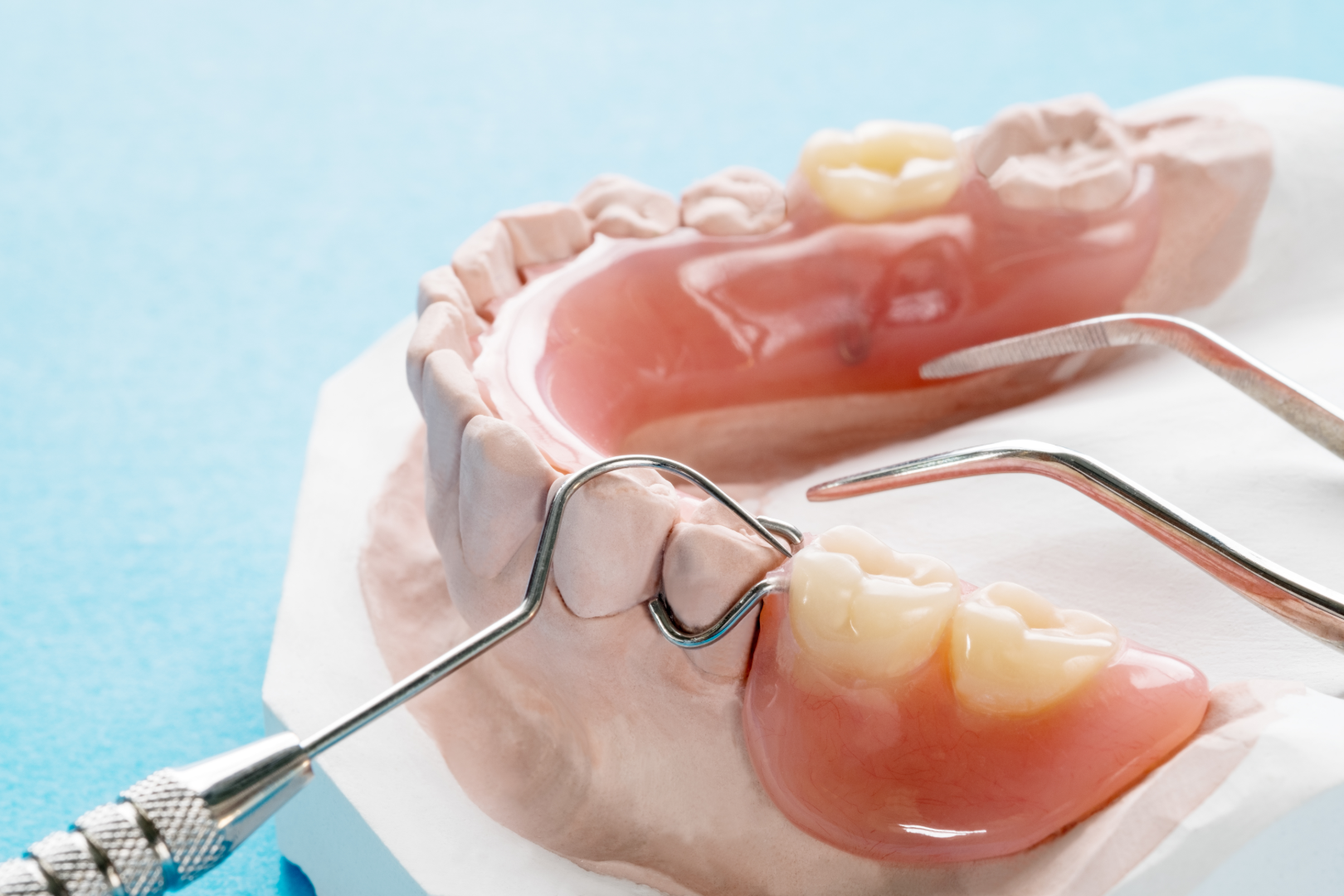

Full Dentures vs. Partial Dentures
Dentures and partials both replace missing teeth with a removable appliance, but they're designed for different situations. A full denture replaces an entire arch of teeth when none remain, while a partial denture fills in the gaps left by several missing teeth while working around the natural teeth that are still healthy and in place. Both are custom-made to fit your mouth and are designed to blend naturally with your smile.
The First Few Days
It's completely normal for a new denture to feel bulky, loose, or awkward at first — your mouth simply hasn't adjusted to having something new in it yet. Increased saliva production and minor soreness in the first several days are common as your gums and cheek muscles adapt to the appliance. Eating and speaking may feel a little unfamiliar initially, but most of these early sensations improve steadily within the first couple of weeks.
Tips for Adjusting More Comfortably
A few simple strategies can make the adjustment period smoother:
- Start with softer foods and gradually reintroduce firmer textures as you build confidence chewing
- Practice speaking out loud, even by reading aloud at home, to help your tongue and cheeks adapt to the new fit
- Take small bites and chew slowly, distributing food evenly on both sides of your mouth
- Give yourself time before judging the fit — most adjustment discomfort fades significantly within a few weeks
- Keep up with follow-up visits, since minor adjustments to the fit are a normal part of the process, not a sign that something went wrong
When to Reach Out to Your Dentist
While some soreness is expected early on, persistent pain, sores that don't heal, or a denture that consistently slips out of place are worth addressing sooner rather than later. Small adjustments to the fit are common and usually resolve these issues quickly, so it's better to come in than to try to push through ongoing discomfort.
Considering More Stability? Implant-Retained Options
For patients who find a traditional removable denture too loose or unstable, implant-retained dentures and implant-retained partials anchor the appliance to a small number of implants, significantly reducing movement while still allowing the appliance to be removed for cleaning. This can be a good option for patients who've struggled with a traditional denture's fit or stability.
Caring for Your Denture Long-Term
Dentures should be cleaned daily with a denture-specific brush and cleanser, removed at night to give your gums a rest, and stored in water or a denture-soaking solution when not in use. Regular checkups also allow your dentist to monitor the fit over time, since the shape of your gums and jawbone can gradually change even after the adjustment period is over.
Financing Your Denture
We accept 12+ major insurance plans and offer CareCredit, Cherry financing, and in-house payment plans to help make treatment accessible. Visit our Insurance & Financing page to learn more.
Welcome to a better dental visit.
We’d love to show you what thoughtful, personalized dentistry feels like.
.webp)