

Traumatic Dental Injuries: What to Do When an Accident Damages a Tooth
A fall, a sports collision, or a hard bump to the face can happen in an instant — and dental injuries from these accidents range from minor chips to much more serious damage that isn't always visible right away. Understanding the different types of traumatic dental injuries and why follow-up care matters can make a real difference in saving an injured tooth.
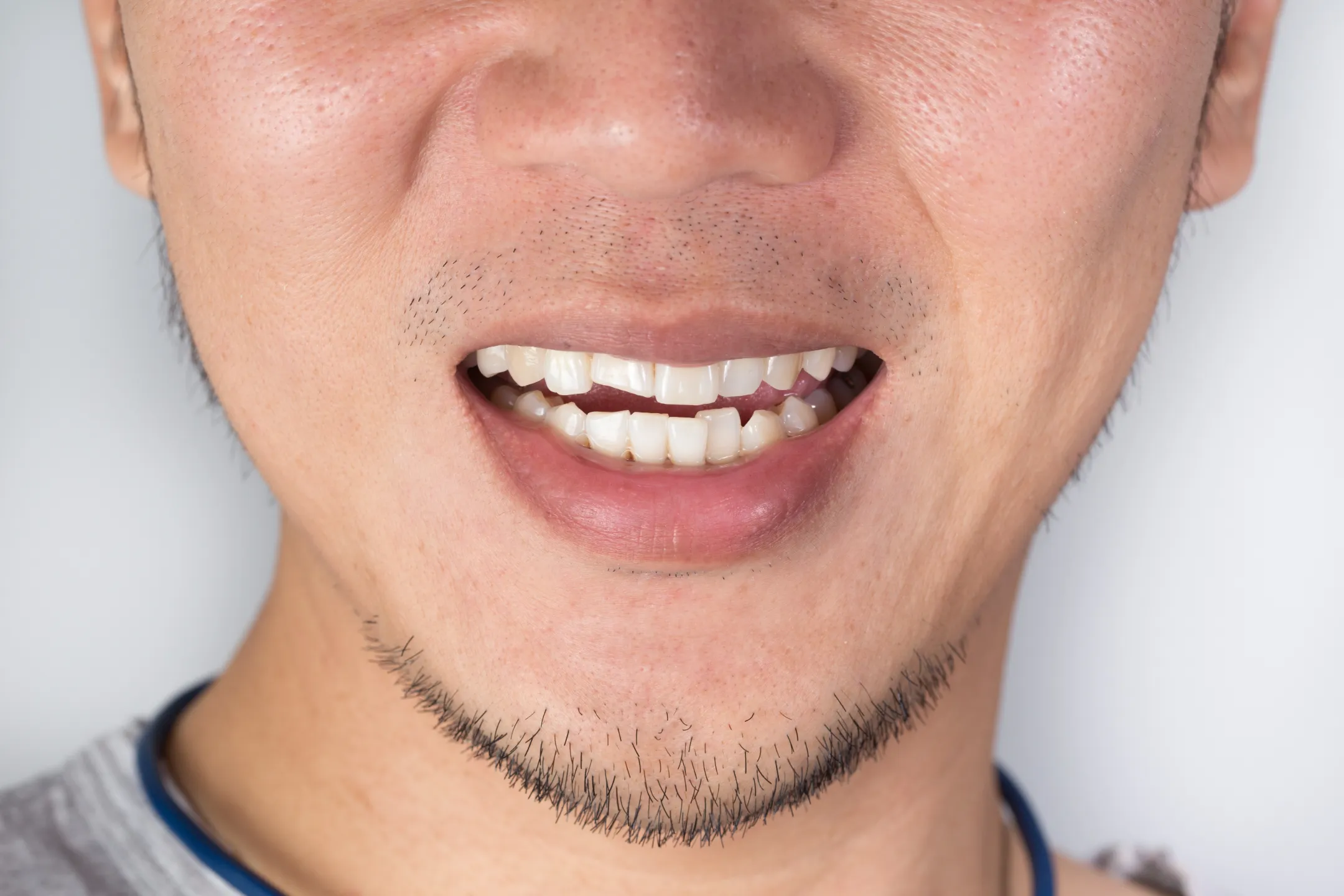

What Counts as a Traumatic Dental Injury?
Traumatic dental injuries cover a wide range of damage to a tooth and its supporting structures, including:
- Concussion injuries, where the tooth is jarred but not visibly displaced or loosened
- Subluxation, where the tooth is loosened in its socket but remains in position
- Luxation, where the tooth is pushed out of its normal position — either sideways, forward, or driven up into the socket
- Avulsion, where the tooth is completely knocked out of the socket
- Root fractures, which may not be visible at all without an X-ray
Some of these injuries are obvious immediately. Others may look minor on the surface but involve deeper damage that only shows up on imaging or over time.
Why Follow-Up Care Matters, Even for "Minor" Injuries
One of the most important things to understand about dental trauma is that damage to the tooth's nerve isn't always apparent right away. A tooth that seems fine immediately after an impact can develop pulp damage weeks or even months later, sometimes without pain until an infection has already set in. This is why any traumatic injury — even one that doesn't seem urgent — deserves a follow-up evaluation rather than a wait-and-see approach.
How These Injuries Are Evaluated and Treated
When you come in after a traumatic injury, Dr. Shah will assess the tooth's stability, check for fractures using X-rays, and test how the nerve is responding. Depending on what she finds, treatment might involve simply monitoring the tooth over time, splinting a loosened tooth to stabilize it while it heals, or moving forward with root canal therapy if the pulp has been damaged beyond recovery. In children and teens with immature roots, vital pulp therapy may be an option to help preserve the tooth's ability to keep developing.
Long-Term Monitoring Is Part of the Treatment
Because complications from dental trauma can surface well after the initial injury, follow-up visits and periodic X-rays are a standard part of care after any significant impact to a tooth. Dr. Shah will let you know how often to come back in for monitoring based on the type and severity of the injury, so any developing issues can be caught and addressed early.
What to Do Right After an Injury Happens
If a tooth has just been knocked loose, moved, or knocked out entirely, time matters. Our dental emergencies page walks through the immediate steps to take in the moments right after an accident, before you're able to get to our office.
Preventing Traumatic Injuries
While accidents can't always be avoided, certain habits lower the risk significantly — wearing a properly fitted mouthguard during contact sports, avoiding chewing on hard objects like ice or pens, and addressing bite issues that make teeth more vulnerable to impact. If you're active in sports, it's worth asking about a custom mouthguard at your next visit.
Financing Your Care
We accept 12+ major insurance plans and offer CareCredit, Cherry financing, and in-house payment plans. Visit our Insurance & Financing page to learn more.
Had a Dental Injury? Don't Wait to Get It Checked
Even if a tooth seems fine after an accident, it's worth having it evaluated. Contact us to schedule a visit, and Dr. Shah will make sure nothing is developing beneath the surface.
Welcome to a better dental visit.
We’d love to show you what thoughtful, personalized dentistry feels like.
.webp)