

Dental Sealants: A Simple Way to Prevent Cavities in Kids and Adults
Some of the most cavity-prone spots in your mouth are also the hardest to keep clean — the deep grooves and pits on the chewing surfaces of your back teeth. Dental sealants offer a simple, painless way to protect those vulnerable areas before decay has a chance to start.

What Are Dental Sealants?
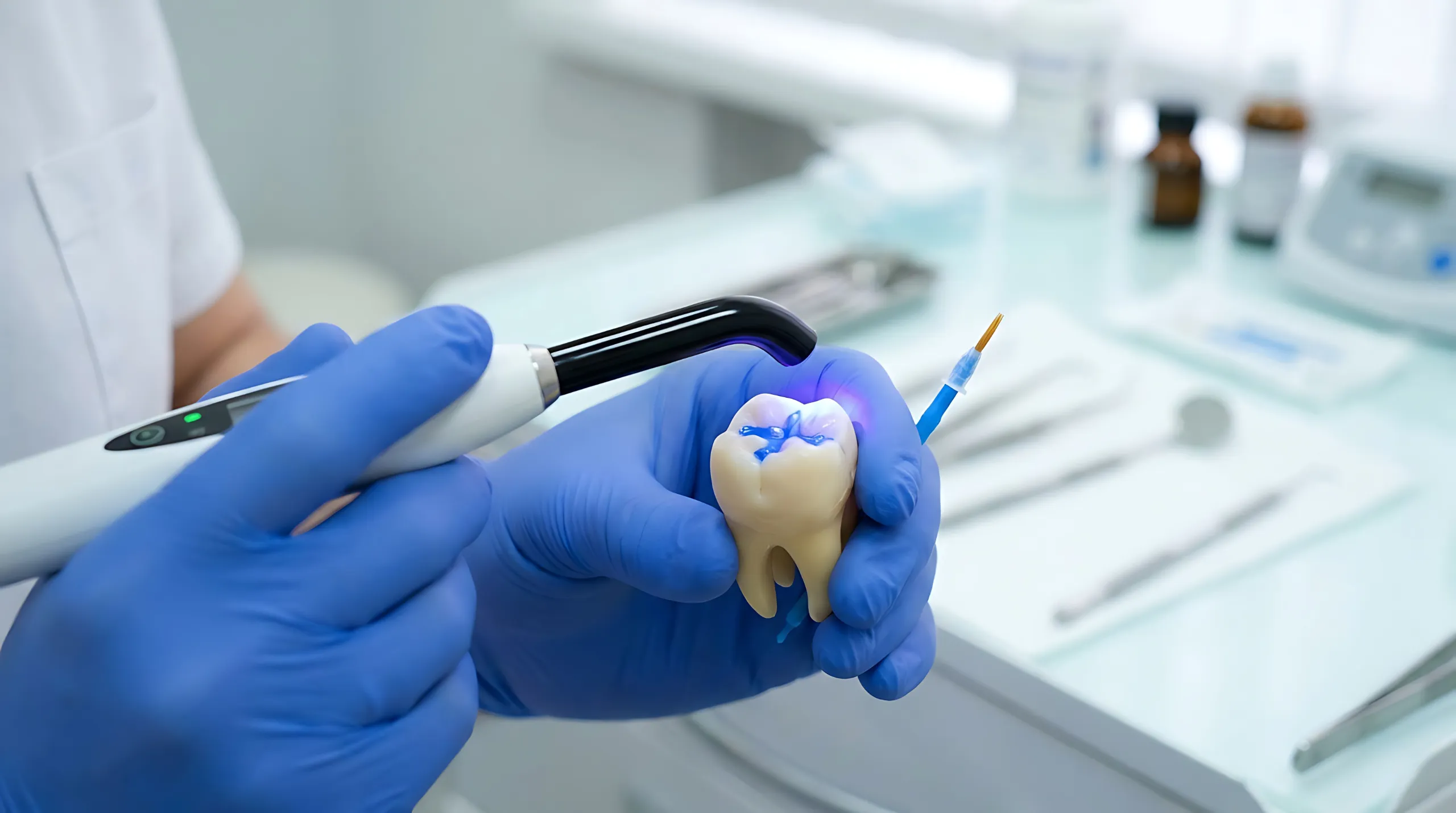
A dental sealant is a thin, protective coating painted onto the chewing surfaces of the molars and premolars — the teeth that do the most work grinding up food and, as a result, tend to have the deepest grooves. Once applied, the sealant flows into those grooves and hardens, creating a smooth, easy-to-clean barrier that keeps food particles and bacteria from settling into the tiny crevices where cavities most often begin.
Why These Teeth Are So Cavity-Prone
The back teeth have naturally deep pits and fissures that are difficult to reach fully with a toothbrush, even with careful brushing. Food and plaque can get trapped in these grooves, and because the enamel in these areas can be thinner, decay tends to develop here more easily than on the smoother, flatter surfaces of your front teeth.
Who Can Benefit From Sealants?
While sealants are most commonly associated with children — typically applied to permanent molars as soon as they erupt, around ages 6 and 12 — they're not just for kids. Adults with deep grooves in their molars who haven't had cavities in those teeth can also benefit from sealants as a preventive measure. As part of our children's and pediatric dentistry services, we evaluate whether sealants make sense at the same visit as your child's routine cleaning and exam.
What to Expect During the Procedure
Applying a sealant is quick, comfortable, and doesn't require anesthesia or drilling. The tooth is cleaned and dried, a bonding solution is applied to help the sealant adhere, and the sealant material is painted onto the grooves of the tooth. A curing light hardens the material in place within seconds. The entire process for one tooth typically takes just a couple of minutes.
How Long Do Sealants Last?
Sealants are durable and can protect teeth for several years, though they should be checked periodically at your regular cleanings and exams to make sure they're still intact. If a sealant wears down or chips, it can typically be touched up or reapplied without any issue.
Do Sealants Replace Good Oral Hygiene?
Sealants are a valuable extra layer of protection, but they don't replace the basics — regular brushing, flossing, and routine dental visits are still essential. Think of sealants as reinforcing the areas that are hardest to clean thoroughly on your own, not as a substitute for daily habits.
What Happens If a Cavity Forms Anyway?
Sealants dramatically reduce the risk of decay in treated teeth, but they aren't a guarantee. If a cavity does develop, it's typically caught early at a routine visit and treated with a simple filling before it has a chance to progress further.
Financing Preventive Care
We accept 12+ major insurance plans, and sealants are frequently covered in full or in part, especially for children. Visit our Insurance & Financing page to learn more about your coverage.
Schedule an Evaluation
Curious whether sealants make sense for you or your child? Contact us to schedule a visit, and we'll evaluate your teeth at your next cleaning and exam.
Welcome to a better dental visit.
We’d love to show you what thoughtful, personalized dentistry feels like.
.webp)